


You are typing a quick message about a game of hide-and-seek, and you stop. Is it hidding or hiding? Many writers pause at this exact spot because the extra d looks natural. Spell checkers can fix it, but they rarely explain why the fix is right.
This article gives you the short answer first, then shows the rule behind it. You will learn what hiding means, why hidding is wrong, how hide, hid, hidden, hiding fit together, and a simple trick to remember the correct form. Every section uses plain examples, so you can apply the rule in emails, school papers, and social media posts right away.
Hidding
“Hidding” is an incorrect spelling. It is not a word in standard American or British English, and no dictionary lists it.
Hiding
“Hiding” is the correct spelling. It is the present participle of hide, and it has only one d.
Hidding or hiding synonym
Because “hidding” is a misspelling, it has no synonyms. Only the correct word does.
Synonyms for “hiding” include concealing, covering, masking, burying, and lurking. Which one fits depends on the sentence.
Hidding or Hiding – Quick Answer
The correct spelling is hiding. Use one d every time, whether you mean concealing something or staying out of sight.
Examples:
- The kids are hiding behind the couch.
- She is hiding a surprise gift in the closet.
- He kept hiding his phone during dinner.
Simple Rule:
Take the verb “hide,” drop the silent e, and add “-ing.” That gives you hiding.
Hidding or hiding meaning
“Hiding” means putting something out of sight, or being out of sight yourself. It can also be a noun, as in “a good hiding place.”
“Hidding” has no meaning because it is simply a typo or a spelling error.
| Related Articles You’ll Love |
| 25 Thoughtful Ways to Say “Be Safe” Instead |
| Judgmental or Judgemental? Discover the Correct Spelling |
| Micheal or Michael? Discover the Correct Spelling |
The Origin of Hidding or Hiding
The verb “hide” comes from the Old English word hydan, which meant to conceal. “Hiding” is the regular “-ing” form of that verb, and it has been in use for centuries.
“Hidding” never developed as a real form. It appears because writers mix up similar words and spelling patterns.
Pattern:
- hide + ing = hiding (the e drops)
- hid + ing is not used, because “hid” is the past tense, not the base verb
Hiding meaning
“Hiding” works in a few ways. As a verb form, it describes an action in progress: “The cat is hiding under the bed.”
As a noun, it can mean the state of being concealed, as in “in hiding.” In informal English, “a hiding” can also mean a beating or a heavy defeat.
Hidding or Hiding – Meaning Explained
The difference is simple. One is a real word and the other is a mistake.
What Does “Hiding” Mean?
It means concealing something or someone, or staying out of view. It can describe a physical action or a feeling you keep private.
Examples:
- The squirrel is hiding its nuts.
- They are hiding from the rain under a tree.
- She was hiding her disappointment.
What Does “Hidding” Mean?
Nothing. It is a misspelling of “hiding.”
Incorrect Examples:
- ~~The dog is hidding behind the door.~~
- ~~Stop hidding the truth.~~
Hidding or hiding examples
Here are correct and incorrect spelling examples side by side:
- Correct: He is hiding in the garage.
- Incorrect: He is hidding in the garage.
- Correct: I am hiding the keys.
- Incorrect: I am hidding the keys.
British English vs American English Spelling
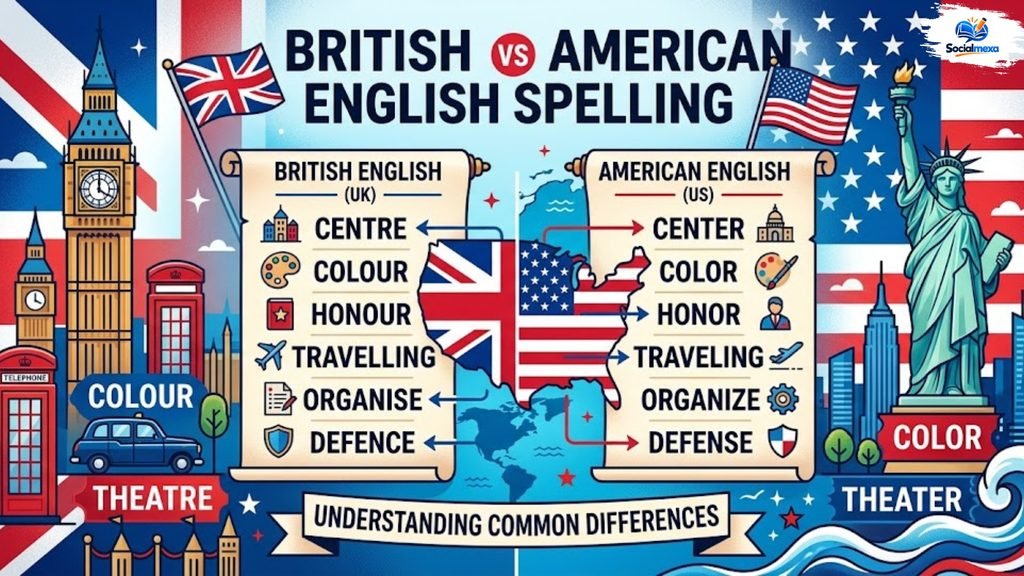
There is no difference. Both American and British English use “hiding,” so this is not a regional spelling issue.
The only variation is in some slang and idioms, which are covered below.
Comparison Table
| Form | American English | British English | Status |
| Hiding | Yes | Yes | Correct |
| Hidding | No | No | Incorrect |
Hiding beating
In informal English, “a hiding” means a sound beating. People also use it for a heavy loss, as in “The home team took a real hiding last night.”
This sense is more common in British English, but many Americans understand it. It is spelled the same way, with one d.
Which Spelling Should You Use?
Always use “hiding.” There is no situation in standard English where “hidding” is correct.
Use “Hiding” For:
- Actions in progress (“She is hiding”)
- Nouns like “hiding place”
- Phrases like “in hiding”
Never Use:
- “Hidding” in any sentence, formal or casual
Simple Rule:
One d, no silent e, and “-ing” at the end.
Common Mistakes with Hidding or Hiding
Most errors come from a few predictable habits. Knowing them makes them easier to catch.
Mistake 1
Doubling the d because the past tense “hid” is short. Wrong: hidding. Right: hiding.
Mistake 2
Mixing up “hiding” with “hidden.” Hidden is the past participle, and it does have a double d.
Mistake 3
Copying the doubling pattern from words like “sit” and “sitting.” That pattern does not apply to verbs ending in silent e.
Mistake 4
Writing “hided” instead of “hid” for the past tense. “Hide” is irregular, so the past tense is “hid.”
Hiding from someone meaning
“Hiding from someone” means avoiding being seen or found by that person. It can be literal, like a child hiding from a sibling, or personal, like avoiding a coworker after an awkward moment.
Example: “He is hiding from his landlord because the rent is late.”
Hiding in Everyday Examples
At Home
- The kids are hiding the remote.
- My cat is hiding under the sofa.
School
- A student was hiding a note in a textbook.
- She kept hiding her nerves before the test.
Social Media
- Some users are hiding their likes counts.
- He is hiding his posts from certain followers.
Movies and Games
- The hero is hiding from the villain.
- Players spend the first minute hiding in hide-and-seek.
Hiding punishment
Long ago, “a hiding” referred to a physical beating given as punishment. The word comes from “hide,” meaning animal skin, which also explains the phrase “tan someone’s hide.”
Today, this sense is old-fashioned and mostly appears in older books or casual speech. In everyday modern writing, “hiding” usually means concealing.
Hidding or Hiding – Google Trends & Usage Data

Search and usage patterns tend to show the same thing. Published writing overwhelmingly uses “hiding,” while “hidding” shows up mostly as a typo or as a search by people checking the spelling.
Key Insight:
Exact numbers change over time, so check Google Trends yourself for current patterns. The takeaway stays the same: “hiding” is the standard form.
Comparison Table: Hidding or Hiding
| Feature | Hiding | Hidding |
| Correct spelling | Yes | No |
| Number of d’s | One | Two |
| Part of speech | Verb form, noun | None |
| Found in dictionaries | Yes | No |
| Example | She is hiding. | She is hidding. |
Why People Write “Hidding”
The mistake usually comes from sound and pattern confusion. The past tense “hid” has a short i, so writers add a second d, thinking it protects that sound.
Another cause is the word “hidden,” which really does have two d’s. Writers carry the doubled letter over to “hiding.”
Examples:
- hid, so “hidding” (wrong)
- hidden, so “hidding” (wrong)
- sit, sitting (a real doubling rule, but it does not apply here)
The Real Grammar Rule
When you add “-ing” to a verb ending in a silent e, you usually drop the e first. This is the silent e spelling rule, and it covers many words ending in silent e.
You double the final consonant only when a short vowel sits right before it, as in “run” and “running.” “Hide” has a long i sound, so no doubling is needed.
Silent “E” Rule
Drop the e, then add “-ing.” Do not add an extra consonant.
Examples:
- hide becomes hiding
- make becomes making
- write becomes writing
Hiding in Idioms and Expressions
“Hiding” appears in several common expressions. Each one uses the same spelling.
Common Examples:
- In hiding: staying out of sight, often for safety
- Hiding in plain sight: being visible but not noticed
- Hiding your light under a bushel: keeping your talents secret
- Go into hiding: disappear from public view
Hiding in Emotional and Figurative English
People also use “hiding” for feelings and thoughts, not just objects. It describes things we keep from others, often without saying a word.
Examples:
- She was hiding her sadness behind a smile.
- He kept hiding his fears from his family.
- They were hiding behind jokes to avoid a serious talk.
Why This Spelling Confuses Learners
English spelling does not always match pronunciation. “Hid” has a short i, while “hiding” has a long i, and that change can feel odd to learners.
The doubling rule adds more confusion. Learners see “sitting” and “running” and assume every “-ing” word follows that pattern.
Similar Words That Follow the Same Rule
Many common verbs work like “hide.” They end in silent e, drop it, and add “-ing” without doubling.
Examples:
- ride becomes riding
- slide becomes sliding
- bite becomes biting
- hope becomes hoping (compare “hop” becomes “hopping”)
Hiding pronunciation
“Hiding” is pronounced HY-ding, with a long i like “eye.” It has two syllables, and the stress falls on the first.
Compare it with “hidden,” which sounds like HID-en with a short i. The vowel sound is one of the clearest clues to the spelling.
Hiding in Pop Culture and Media
Hiding is a popular theme in stories and games. It shows up in children’s games, mystery plots, and survival stories.
Common Examples:
- Hide-and-seek games
- Characters in hiding in thrillers and war stories
- Search-and-find puzzle books
- Video games with stealth and hiding mechanics
Simple Trick to Remember the Difference
Think of “hiding” as a hide with its e swapped for “ing.” If you can hear the long i, you do not need a second d.
Easy Memory Rule
Hide loses its e, gains “-ing,” and never adds a d.
Quick Reminder
One d for hiding, two d’s for hidden.
FAQs About Hidding or Hiding
What is the use of hiding?
Hiding keeps something or someone out of sight. People use it for safety, surprise, privacy, play, or to avoid a person or situation.
Is it hidden or hiding?
Both are correct. “Hiding” is the “-ing” form, as in “She is hiding.” “Hidden” is the past participle, as in “It was hidden.”
What does hiding mean?
Hiding means concealing something or staying out of view. As a noun, it can mean being concealed, or informally, a beating.
Which is correct, hid or hide?
Both are correct. “Hide” is the present tense, and “hid” is the past tense: “I hide it today, and I hid it yesterday.”
Conclusion
The answer to the hidding or hiding question is simple. “Hiding” is correct, and “hidding” is only a spelling mistake. The word follows the silent e rule: drop the e from “hide” and add “-ing.” No extra d is needed, even though “hid” and “hidden” might suggest otherwise.
Keep the verb forms straight, and the spelling gets easier: hide, hid, hidden, hiding. Remember that the long i sound in “hiding” signals a single d, while the short i in “hidden” explains its double d. Use the same rule for ride, riding, writing, and writing, and you will avoid this common error in everyday writing.

Emily Carter is an English language writer who creates simple guides on grammar, word meanings, spelling, slang, and everyday English. Her goal is to make confusing language topics clear, practical, and easy to understand.
2 thoughts on “Hidding or Hiding? Discover the Correct Spelling Fast”