


“Be safe” is a short, kind phrase, but it does not fit every moment. Sometimes it sounds too serious for a casual goodbye. Other times it feels too plain for a heartfelt message to someone you care about.
This guide gives you 25 alternatives, grouped by situation, with clear notes on tone so you can pick the right one every time.
Quick answer: Good alternatives to “be safe” include “take care,” “stay safe,” “safe travels,” “be careful,” and “look after yourself.” Choose based on the situation. “Take care” suits most goodbyes, “safe travels” fits trips, and “be careful” works for a specific risk.
| Check Out These Articles |
| Thiefs or Thieves? Get the Correct Spelling Fast |
| Analysing or Analyzing? Get the Spelling Right |
| Receipt or Reciept? Get the Spelling Right |
What “Be Safe” Means
“Be safe” is a parting wish. You are telling someone you hope they avoid harm, danger, or accidents. It can refer to physical safety, such as driving in a storm, or a general hope that nothing bad happens to them.
Most people use it in three ways:
- As a warm goodbye: “Text me later. Be safe.”
- As a caution: “The roads are icy tonight, so be safe.”
- As a message during uncertain times: “I heard about the storm. Be safe out there.”
Readers who search for synonyms are usually writing a message and want something that sounds more fitting. They may want a warmer text, a more professional email sign-off, or a better line for a story.
How the Synonyms Differ
Not every phrase carries the same weight. Three things change the feel of a phrase:
- Strength: “Take care” is gentle. “Don’t take any chances” is firm.
- Focus: Some phrases cover your whole well-being (“be well”). Others cover one risk (“watch your step”).
- Formality: “Stay out of trouble” is playful. “Wishing you safety and good health” is formal.
The sections below group the 25 phrases by these differences.
Warm and Caring Ways to Say “Be Safe”
These phrases work for friends, family, and coworkers you know well. They sound kind without being dramatic.
- Take care: The most flexible option on the list. It works in person, in texts, and in most emails, and it points to no specific danger. Example: “Thanks for dinner tonight. Take care, and see you next week.”
- Stay safe: The closest match to “be safe.” The word “stay” suggests safety matters right now, such as in bad weather or during a long shift. Example: “I know you’re working late near the construction site. Stay safe.”
- Look after yourself: Personal and gentle. It fits when someone is tired, sick, or stressed, and it covers health as well as safety. Example: “You’ve had a rough month. Look after yourself, okay?”
- Take care of yourself: A slightly more direct version of “look after yourself.” Example: “Take care of yourself this week.”
- Be well: Gentle and a bit formal. It wishes someone good health and peace more than protection from danger. Example: “Be well, and thank you again for your help.”
- Stay well: Similar to “be well,” but it assumes the person is healthy now and hopes they remain so. Example: “Stay well through the winter.”
Ways to Say “Be Safe” Before a Trip
Travel needs its own set of phrases. These are specific, which makes them feel more thoughtful than a general “be safe.”
- Safe travels: The standard choice for flights, road trips, and long journeys. Example: “Safe travels to you both.”
- Have a safe trip: More conversational and a little warmer in speech. Example: “Have a safe trip, and enjoy every minute.”
- Safe journey: Slightly more formal. It suits cards and written notes. Example: “Wishing you a safe journey, and thank you for visiting.”
- Drive safely: Best when someone is about to drive. It is direct and practical. Example: “Drive safely. The fog is heavy tonight.”
- Get home safe: Good after a visit or a night out. It focuses on the end of the trip, which makes it feel personal. Example: “Get home safe, and message me when you’re in.”
- Text me when you get there: Not a strict synonym, but it expresses the same concern. Many people find it warmer because it shows you care about hearing back. Example: “Text me when you get there, and send a photo when you land.”
Ways to Warn Someone to Be Careful
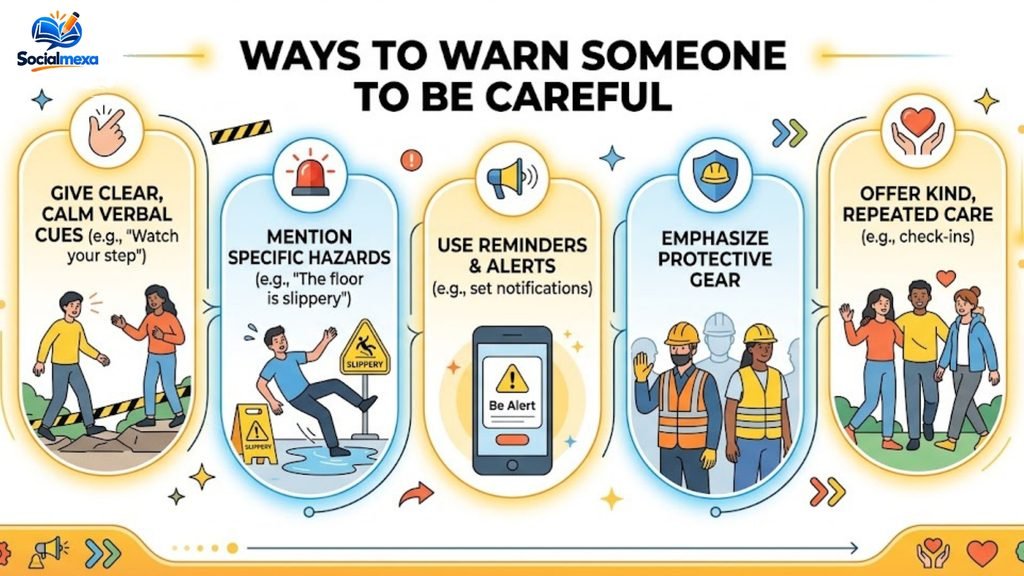
Sometimes you are not offering a goodbye. You are pointing out a real risk. In these cases, a general “be safe” can feel vague, so a more specific phrase works better.
- Be careful: Direct and common. It fits almost any risk, from a hot stove to a slippery road. Example: “Be careful with that ladder.”
- Watch yourself: Informal and a little more urgent. It suggests the person should stay aware. Example: “Watch yourself on that ice.”
- Watch your step: Literal and specific. Use it for stairs, wet floors, or uneven ground. Example: “The trail is steep after the rain. Watch your step.”
- Stay alert: Focuses on attention. It suits walking alone at night or driving in heavy traffic. Example: “Stay alert when you walk home.”
- Use caution: More formal and often seen in written warnings or workplace messages. Example: “Please use caution when entering the site.”
- Don’t take any chances: The strongest phrase in this group. It tells someone to avoid even small risks. Example: “Don’t take any chances on the road tonight.”
Light and Casual Alternatives
These phrases are playful. They work with friends and family, and they are not meant for serious moments.
- Stay out of trouble: Teasing and friendly. It treats the goodbye as a joke. Example: “Have fun at the concert. Stay out of trouble!”
- Take it easy: Relaxed. It suggests rest and calm more than safety. Example: “Take it easy, and see you Monday.”
- Keep safe: A casual option that is more common in UK English. In the US, it can sound slightly unusual, though people will still understand it. Example: “Keep safe out there.”
Formal and Heartfelt Alternatives
Use these when you want to sound sincere or professional. They suit cards, letters, and emails to people you do not know well.
- Wishing you safety and good health: Polite and complete. It works well at the end of a formal email. Example: “Thank you for your time. Wishing you safety and good health.”
- Wishing you a safe journey: The formal version of “safe travels.” Example: “Wishing you a safe journey home.”
- Stay out of harm’s way: Serious in tone. It fits dangerous situations such as severe weather or conflict. Example: “Please stay out of harm’s way until the storm passes.”
- Come home safe: Emotional and personal. It is often said to a loved one leaving for work, service, or travel. Example: “I’m thinking of you this week. Come home safe.”
Comparison Table
| Synonym | Meaning Nuance | Tone | Example Sentence |
| Take care | General goodbye wish | Warm, neutral | “Take care, and talk soon.” |
| Stay safe | Hope for protection from current risk | Caring, serious | “It’s stormy tonight. Stay safe.” |
| Look after yourself | Cares for health and well-being | Personal, gentle | “Get some rest and look after yourself.” |
| Take care of yourself | Same as above, more direct | Caring | “Take care of yourself this week.” |
| Be well | Wish for health and peace | Gentle, slightly formal | “Be well, and thank you again.” |
| Stay well | Hope health continues | Polite | “Stay well through the winter.” |
| Safe travels | Wish for a trip without trouble | Friendly, standard | “Safe travels to you both.” |
| Have a safe trip | Travel wish in conversation | Warm | “Have a safe trip, and enjoy it.” |
| Safe journey | Travel wish in writing | Formal | “Wishing you a safe journey.” |
| Drive safely | Focus on driving | Practical | “Drive safely, the fog is heavy.” |
| Get home safe | Focus on arriving home | Personal | “Get home safe after the party.” |
| Text me when you get there | Wants confirmation of arrival | Close, caring | “Text me when you get there.” |
| Be careful | Warns about a specific risk | Direct | “Be careful with that ladder.” |
| Watch yourself | Stay aware of danger | Informal, urgent | “Watch yourself on that ice.” |
| Watch your step | Warns about footing | Literal | “Watch your step on the stairs.” |
| Stay alert | Keep attention high | Serious | “Stay alert when you walk home.” |
| Use caution | Careful action in risky situations | Formal | “Use caution when entering the site.” |
| Don’t take any chances | Avoid all risk | Firm | “Don’t take any chances on the road.” |
| Stay out of trouble | Avoid mischief | Playful | “Stay out of trouble this weekend.” |
| Take it easy | Relax, go slowly | Casual | “Take it easy, and see you Monday.” |
| Keep safe | Hope for protection | Casual, UK leaning | “Keep safe out there.” |
| Wishing you safety and good health | Complete formal wish | Formal, sincere | “Wishing you safety and good health.” |
| Wishing you a safe journey | Formal travel wish | Formal | “Wishing you a safe journey home.” |
| Stay out of harm’s way | Avoid real danger | Serious | “Please stay out of harm’s way.” |
| Come home safe | Emotional wish for return | Heartfelt | “Come home safe. We’ll be waiting.” |
Context Guide: Where to Use Each Phrase
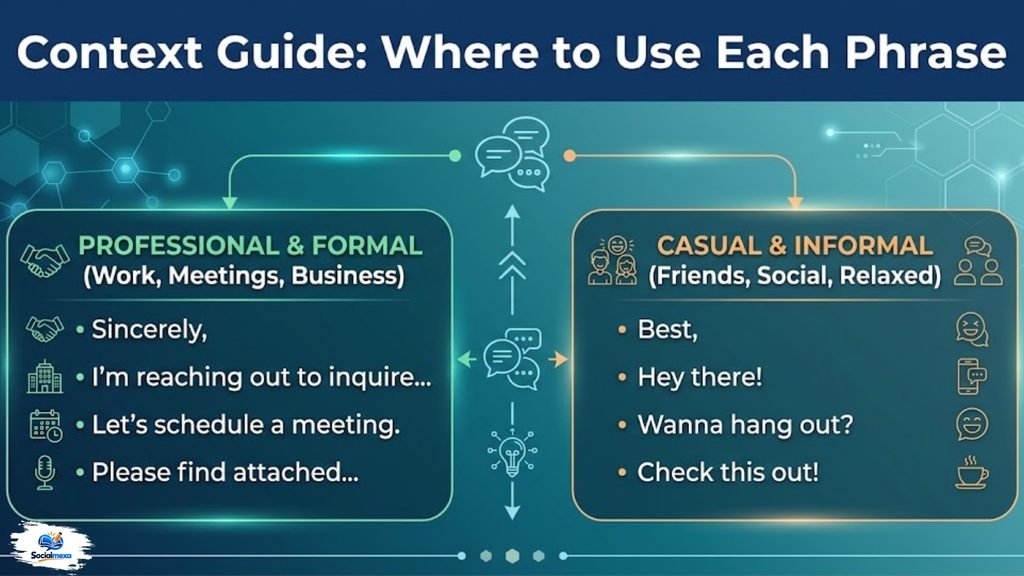
Text messages and conversation. “Take care,” “stay safe,” and “get home safe” feel natural. Keep them short.
Email. For coworkers, “take care” or “stay well” works. For clients or senior contacts, “wishing you a safe journey” or “wishing you safety and good health” sounds polished. If you are not sure, “take care” is a safe middle ground.
Social media. Short phrases such as “stay safe” or “take care of yourself” fit best. They read well in comments and captions without sounding heavy.
Essays and professional writing. “Be safe” rarely belongs in formal essays. If you are writing about safety, use words like “take precautions” or “exercise caution” in the sentence itself instead of as a farewell.
Storytelling. Phrases carry character. A worried parent might say “come home safe.” A teasing friend might say “stay out of trouble.” The choice tells the reader about the relationship in a single line.
Resume. You will not use these as farewell phrases on a resume. If you work in a safety-related role, use plain, specific language about your duties instead.
When Not to Use Each Synonym
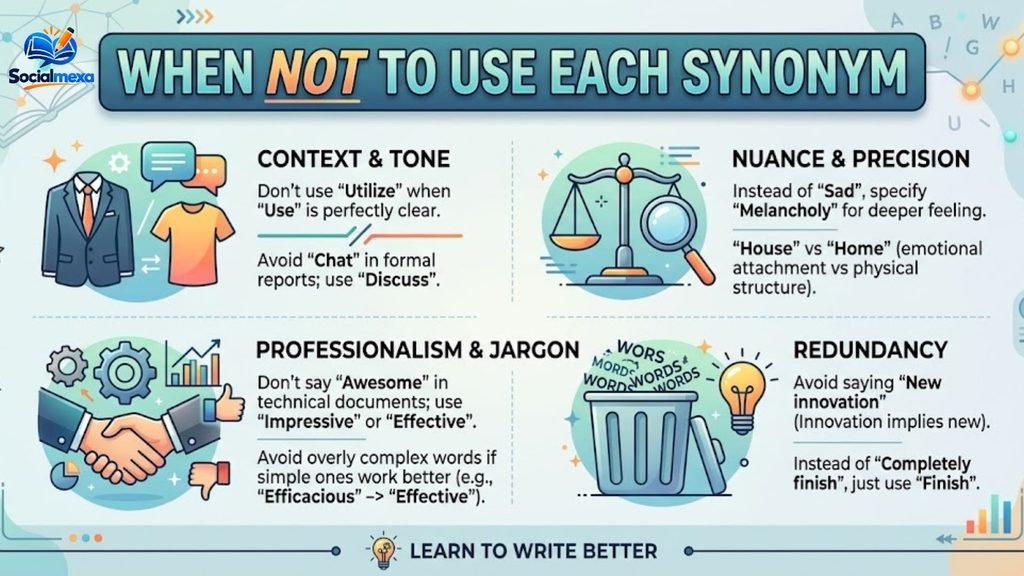
- Take it easy: Skip it when real danger is involved. It sounds too relaxed.
- Stay out of trouble: Avoid it in serious or emotional situations. It can feel dismissive.
- Don’t take any chances: Do not use it with someone who is already nervous. It can add to their worry.
- Stay out of harm’s way: Avoid it in casual settings. It sounds dramatic if there is no real threat.
- Come home safe: Be careful in professional emails. It is too personal for most workplace contact.
- Keep safe: Be aware that it may sound unfamiliar to some US readers.
- Use caution: Do not use it with friends in casual talk. It reads like a warning sign.
- Be well and stay well: These can feel distant if someone is in danger and needs a direct, caring message.
- Watch your step: Use it only when the risk is physical footing. Otherwise it sounds odd.
Antonyms
Antonyms are useful when you are writing dialogue or describing risky behavior:
- Be reckless
- Take a risk
- Be careless
- Throw caution to the wind
- Live dangerously
Related Words and Phrases
- Safety
- Caution
- Precaution
- Protection
- Well-being
- Safe and sound
- Better safe than sorry
- Play it safe
- Err on the side of caution
- Out of harm’s way
Frequently Asked Questions
Is “be safe” correct English?
Yes. It is a common, natural phrase used in everyday speech and writing. It is an imperative sentence that expresses a wish for someone’s safety.
What is the difference between “be safe” and “stay safe”?
They are very close. “Stay safe” often suggests the person is already in a situation where safety matters, such as bad weather. “Be safe” feels a little more general. In daily use, most people treat them as interchangeable.
What is a more professional way to say “be safe”?
Try “take care,” “wishing you a safe journey,” or “wishing you safety and good health.” These sound polite in an email without feeling cold.
What can I say instead of “be safe” to a friend?
“Take care,” “text me when you get home,” and “stay out of trouble” all work well. Pick based on how serious the moment is.
Can “be safe” sound negative?
Sometimes. If you say it casually in a moment with no danger, it can suggest you expect something bad to happen. In that case, a lighter phrase like “take care” may feel better.
What should I say before someone travels?
“Safe travels” is the standard choice. “Have a safe trip” is more conversational, and “get home safe” works for the return.
Is “keep safe” the same as “stay safe”?
They mean nearly the same thing. “Keep safe” is more common in UK English, while “stay safe” is the more natural choice in the US.
Conclusion
The best alternative to “be safe” depends on who you are speaking to and what is happening. “Take care” works almost everywhere. “Safe travels” is ideal for trips. “Be careful” fits a specific risk. Warm phrases such as “look after yourself” show real concern, while formal options suit cards and professional emails.
Before you send your next message, think about the tone you want. A phrase that matches the moment makes your message feel sincere, and that small detail is often what the other person remembers.

Emily Carter is an English language writer who creates simple guides on grammar, word meanings, spelling, slang, and everyday English. Her goal is to make confusing language topics clear, practical, and easy to understand.
3 thoughts on “25 Thoughtful Ways to Say “Be Safe” Instead”