

You typed “loveable” into a text message, paused, and suddenly the word looked wrong. Then you tried “lovable” and that looked wrong too. Welcome to one of English’s sneakiest spelling traps. The good news is that this confusion has a simple fix, and by the end of this article you will never second guess it again.
Lovable or Loveable – Quick Answer
Lovable is the standard spelling in American English and the more widely accepted form worldwide, including in most modern British publications. Loveable, with the extra “e,” is an older British variant that is grammatically correct but far less common today. Both spellings mean the same thing: someone or something easy to love. If you want the safest, most universally accepted choice, go with lovable.
Lovable or loveable meaning
Both words describe a person, animal, or thing that naturally inspires affection. A puppy that tilts its head at you, a grandmother who always has snacks ready, or a clumsy but well meaning coworker can all be called lovable (or loveable). The meaning does not shift based on spelling. What changes is where and to whom you are writing.
What Does Lovable Mean?
Lovable is an adjective built from the verb “love” plus the suffix “able,” which means “capable of” or “worthy of.” So lovable literally means “worthy of being loved.” It is used for people, pets, characters in movies, and even brands that want to feel warm and approachable.
Example: “Her lovable personality made her the favorite teacher at school.”
What Does Loveable Mean?
Loveable carries the exact same definition. It follows an older English spelling pattern where the silent “e” at the end of “love” is kept before adding “able,” similar to words like “sizeable” or “noticeable.” This version once appeared more frequently in British texts, though it has steadily lost ground to lovable over the past century.
Example: “The loveable old dog followed him everywhere.”
| Don’t Miss These Articles |
| Fiend or Feen: Discover the Correct Spelling & Meaning |
| Cosy or Cozy? Discover the Correct Spelling |
| https://socialmexa.com/cosy-or-cozy/ |
Lovable or loveable in english
In modern English, especially online, in American books, and in most global media, lovable wins by a wide margin. Loveable still shows up occasionally in British fiction, older dictionaries, and formal or literary writing, but it is treated as a secondary form rather than an error. If you are writing for a global audience, lovable is the safer and more recognized spelling.
Lovable or loveable examples

Seeing the word in action makes the choice easier. Here are a few natural sentences using both spellings:
- “The kitten’s lovable antics went viral on social media.”
- “He has such a loveable personality that nobody stays mad at him.”
- “This is one of the most lovable characters in animated film history.”
- “Her loveable stubbornness reminded everyone of her late father.”
Notice how both spellings work identically in these sentences. The difference is stylistic, not grammatical.
The Origin of Lovable or Loveable
Both spellings trace back to Middle English, where “love” combined with the Latin derived suffix “able” to form an adjective meaning “able to be loved.” Early English spelling was far less standardized than it is today, so writers freely added or dropped the silent “e” depending on personal habit or regional custom.
Loveable was actually the more common form for several centuries, appearing in classic British literature and early dictionaries. Lovable gained popularity later, particularly as American English developed its own simplified spelling conventions in the 19th and 20th centuries, often trimming silent letters that did not affect pronunciation.
Lovable or loveable ai
If you type either spelling into an AI writing tool, spell checker, or grammar assistant like Grammarly or ChatGPT, you will usually see lovable suggested as the primary correct form, with loveable flagged as a less common variant rather than an outright mistake. Most AI language models are trained heavily on American English datasets, which explains the strong preference for lovable in AI generated content, autocomplete suggestions, and SEO tools.
If your goal is to rank well in search engines or match what most readers expect, lean on lovable when writing AI assisted content.
British English vs. American English Spelling
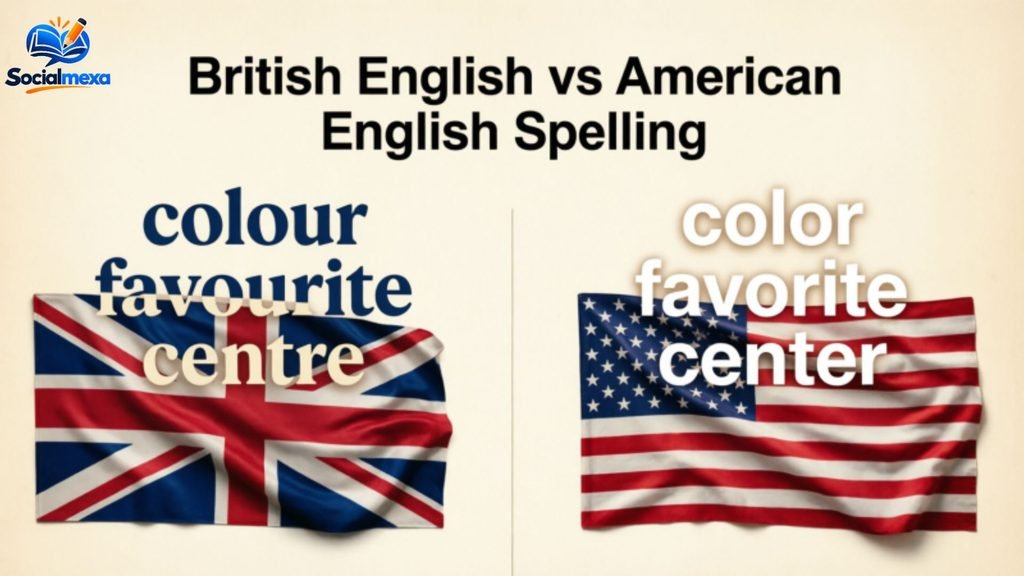
This spelling difference fits a broader pattern in English. American English tends to drop unnecessary letters, while British English sometimes keeps them for historical reasons. Compare these familiar pairs:
- Color (American) vs. Colour (British)
- Favorite (American) vs. Favourite (British)
- Lovable (American, and increasingly global) vs. Loveable (traditional British)
Unlike color and colour, which remain firmly split by region, lovable has actually become dominant in British English too. Major UK newspapers and publishers now favor lovable in most cases, which makes this pair somewhat unique compared to other British versus American spelling differences.
Lovable synonym
If you want to mix up your writing or avoid repeating the word too often, try one of these alternatives:
- Adorable
- Endearing
- Charming
- Sweet natured
- Winsome
- Delightful
- Affectionate (for people or animals with warm personalities)
Each synonym carries a slightly different flavor. Adorable leans cute, endearing leans emotional, and charming leans social. Choose based on the tone you want.
Comparison Table: Lovable vs. Loveable
| Feature | Lovable | Loveable |
| Region | American English, global standard | Traditional British English |
| Popularity today | Much more common | Rare, mostly literary |
| Dictionary status | Primary listed spelling | Valid variant spelling |
| Used in SEO or AI content | Yes, preferred | Rarely recommended |
| Formal writing acceptance | Fully accepted | Accepted but old fashioned |
| Search volume | Significantly higher | Much lower |
Lovable person meaning
Calling someone a “lovable person” means they have a personality that naturally draws people in. It usually points to warmth, humor, kindness, or a mix of quirky habits that somehow make them more likeable rather than less. A lovable person is not necessarily perfect. In fact, small flaws like clumsiness or forgetfulness often make someone feel more lovable, not less, because it makes them relatable.
Which Spelling Should You Use?
For almost every situation, choose lovable. It works in emails, articles, resumes, marketing copy, social media captions, and casual texts. Use loveable only if you are deliberately writing in a traditional British literary style, quoting older text, or matching a specific house style guide that requests it. Outside of those niche cases, lovable is the safer, more modern, and more widely understood choice.
Lovable pronunciation
Both spellings are pronounced exactly the same way: LUHV-uh-buhl (three syllables, stress on the first syllable). The extra “e” in loveable ” is silent and does not change how the word sounds. This is one reason so many people misspell it, since your ear gives you no clue about which version is correct.
Loveable or lovable uk
In the United Kingdom specifically, usage has shifted heavily toward lovable over the last few decades. Major British dictionaries like the Oxford English Dictionary list lovable as the primary spelling, with loveable noted as a secondary or variant form. British newspapers, publishers, and even government style guides now largely default to lovable, which means UK writers can safely follow the same rule as American writers in most everyday contexts.
Common Mistakes with Lovable or Loveable
People trip up on this word in a few predictable ways:
- Assuming loveable is always wrong. It is not wrong, just less common.
- Mixing spellings within the same document or article, which looks inconsistent.
- Confusing lovable with “loveable” style words like “noticeable” and assuming the same silent “e” rule always applies. It does not, since English spelling rules are famously inconsistent.
- Autocorrect changing one spelling to the other mid sentence without the writer noticing.
The simplest fix is to pick one spelling, usually lovable, and stick with it throughout your writing.
Lovable or Loveable in Everyday Examples
Different types of writing lean toward different habits. Here is how the word tends to show up across common formats.
1. Emails
Emails favor short, familiar words, so lovable is almost always the go to choice. Example: “Thanks for being so lovable and patient with the delayed shipment.”
2. Social Media
Captions and comments move fast, and lovable dominates here too, especially in pet and lifestyle content. Example: “This lovable golden retriever just made our whole week.”
3. News Writing
Journalists generally follow AP style, which recommends lovable. You will see it in headlines about beloved public figures, pets, or fictional characters.
4. Formal Writing
Academic papers, business reports, and official documents also favor lovable, since it matches modern dictionary standards and avoids looking outdated.
Lovable or Loveable – Google Trends & Usage Data
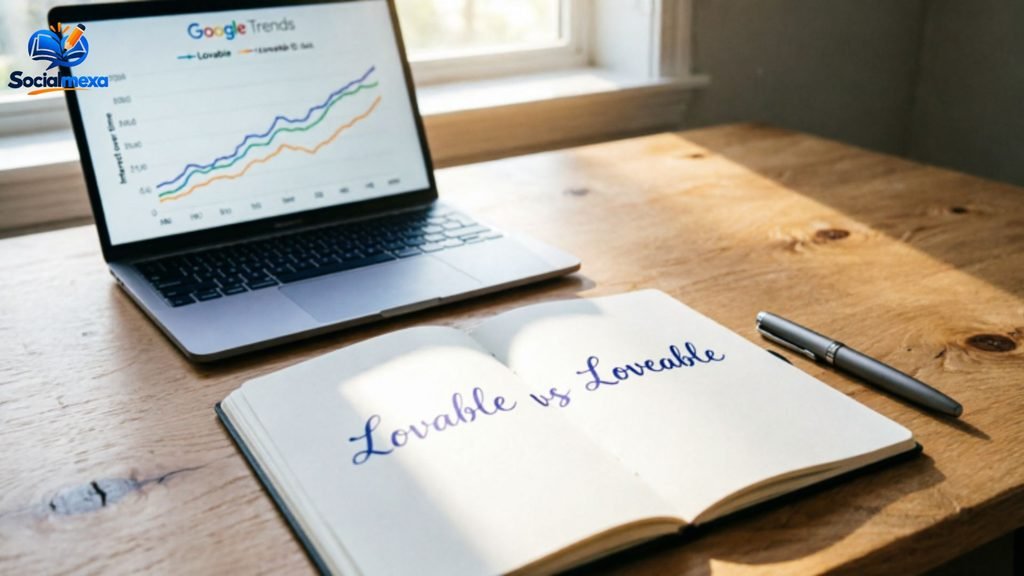
Search interest data consistently shows lovable far outpacing loveable across English speaking countries, including the United States, United Kingdom, Canada, and Australia. This gap has widened steadily over the past twenty years as digital publishing, autocorrect tools, and AI writing assistants have reinforced lovable as the default. Loveable still appears in searches, mostly from people checking whether it is a real word, rather than from writers actively choosing it.
This trend matters for content creators and businesses too. Using lovable in headlines, product descriptions, and marketing copy aligns better with how people actually search and read online.
Frequently Asked Questions
Which is correct, loveable or Lovable?
Both are technically correct, but lovable is the preferred and far more common spelling in modern English, both in the US and the UK.
What does being Lovable mean?
It means having qualities, like warmth, kindness, or charm, that naturally make people feel affection toward you.
How do you spell “loveable” in the UK?
The UK now generally follows the same standard as the US, using lovable as the primary spelling, though loveable remains an accepted traditional variant.
Is there a word loveable?
Yes, loveable is a real, dictionary recognized word. It is simply an older, less frequently used spelling of lovable.
Conclusion
So, lovable or loveable? Both spellings are valid, but lovable is the clear winner in everyday writing, professional content, and modern dictionaries on both sides of the Atlantic. Save loveable for the rare moment you want a touch of old fashioned British flavor. For everything else, from emails to social captions to the next birthday card you write for your genuinely lovable friend, lovable is the word to trust.

Emily Carter is an English language writer who creates simple guides on grammar, word meanings, spelling, slang, and everyday English. Her goal is to make confusing language topics clear, practical, and easy to understand.
2 thoughts on “Lovable or Loveable? Discover the Correct Spelling Fast”