

Ever typed “likeable,” stared at it, then deleted the E and typed “likable” instead? You’re not alone. Both spellings (Likeable or Likable) are correct, and the only real difference is which side of the Atlantic your readers are on. Likeable is the standard British spelling, while likable is the preferred American form.
Neither one is a typo, and neither one will get you corrected by a serious editor, as long as you stay consistent.That’s the short answer. Now let’s dig into why both exist, when each one fits, and how to stop second guessing yourself every time you write this word.
Likeable
Likeable keeps the silent E from “like” before adding the suffix “able.” This is the version you’ll see in British, Australian, and most Commonwealth English writing. Newspapers like The Guardian and BBC style guides lean toward this spelling.
Likable
Likable drops the E, following the more streamlined American convention of trimming silent letters before a vowel suffix. This is the spelling favored by US style guides, including Merriam Webster and the AP Stylebook.
Likeable or likable examples
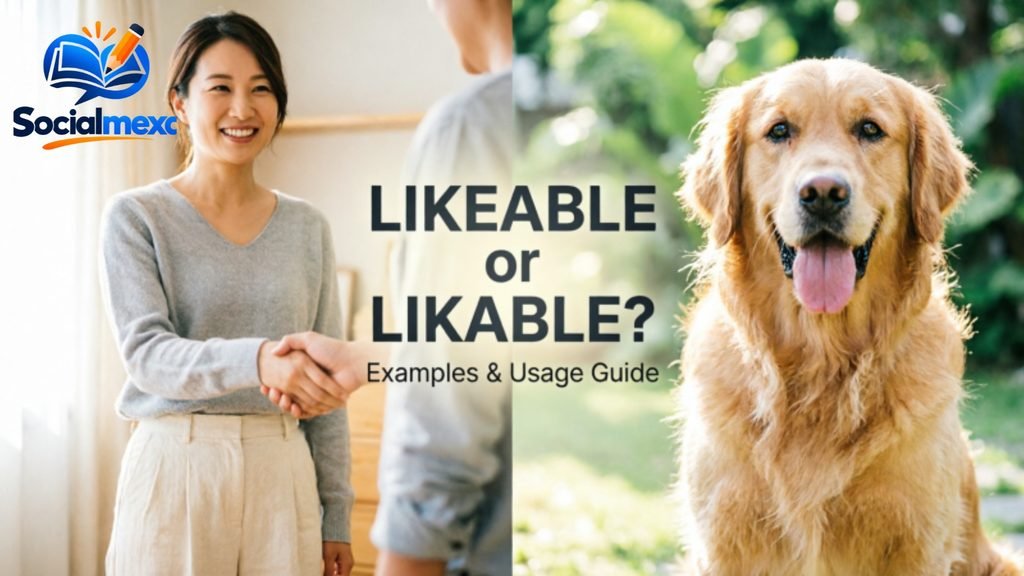
Seeing the word in context makes the choice easier. Here’s how each version looks in real sentences.
- British: “She has a genuinely likeable personality.”
- American: “He’s a likable guy once you get to know him.”
- British: “The characters in this show are surprisingly likeable.”
- American: “Customers found the new spokesperson more likable than the last one.”
Notice the sentence structure never changes. Only the spelling shifts based on regional convention.
Likeable person test
People often ask what actually makes someone likeable, beyond the spelling debate. Psychologists point to a handful of consistent traits.
- Genuine warmth without being fake
- Active listening instead of waiting to talk
- Consistency between words and actions
- A sense of humor that doesn’t come at others’ expense
- Remembering small details about people
If someone checks most of these boxes, most people would call them likeable, or likable, depending on where they learned to spell.
Likeable or Likable – Quick Answer
Both spellings are grammatically correct. Use likeable for British English audiences and likable for American English audiences. If you’re writing for a global audience with no clear regional lean, either works, but pick one and stick with it throughout your document.
Examples:
- UK blog post: “Our brand voice needed to feel more likeable to local readers.”
- US resume: “Colleagues describe me as approachable and likable.”
The Origin of Likeable or Likable
The word traces back to the Old English verb “lician,” meaning to please or be pleasing. Over centuries, “like” evolved into a standalone verb and adjective root, and English speakers began attaching the suffix “able” to describe someone or something capable of being liked.
The spelling split happened much later. When Noah Webster published his American dictionary in the early 1800s, he pushed for simplified spellings across the language, dropping unnecessary letters wherever he felt it made words cleaner. Color instead of colour, center instead of centre, and eventually likable instead of likeable all came out of that same reform movement.
| You May Also Like |
| Volumn or Volume? Discover the Correct Spelling |
| Studder or Stutter? Get the Correct Spelling Now |
| Lovable or Loveable? The Correct Spelling Explained |
Likeable or likable meaning
Both spellings share one identical definition: pleasant, friendly, or easy to warm up to. Whether you’re describing a coworker, a fictional character, or a brand’s tone of voice, the meaning behind the word stays fixed. Only the letters change.
British English vs American English Spelling
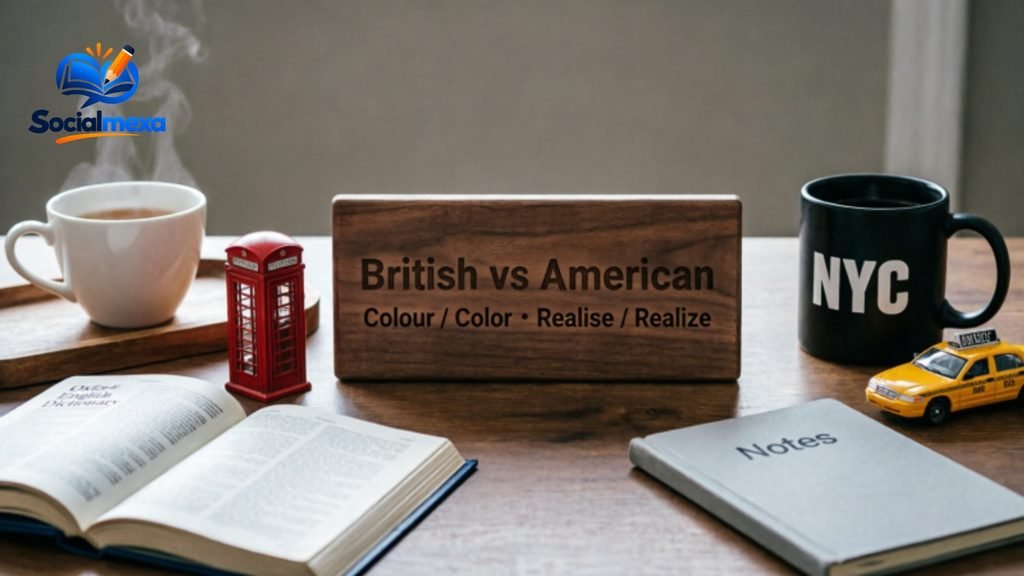
This isn’t an isolated case. English has dozens of word pairs that split based on region, and likeable versus likable follows a familiar pattern.
| British English | American English |
| Likeable | Likable |
| Colour | Color |
| Centre | Center |
| Travelling | Traveling |
| Favourite | Favorite |
Notice the pattern. British English often keeps extra letters that American English trims away. Once you spot that habit, spelling decisions like this one get much easier.
Which Spelling Should You Use?
The honest answer depends entirely on your audience. If you’re writing for a US based company, American publication, or American readers, go with likable. If you’re writing for UK, Australian, Canadian, or Commonwealth audiences, likeable is the safer choice.
Best SEO advice:
Check where your traffic comes from before picking a spelling for a webpage or blog post. If most of your readers are American, “likable” will match what they naturally search for. If your audience skews British or international, “likeable” tends to perform better. Google understands both versions and won’t penalize either one, but matching your audience’s habits improves how natural your content feels.
Likable in a sentence
- “Her likable attitude made the interview memorable.”
- “Despite his flaws, the main character stays likable throughout the film.”
- “Being likable at work often opens doors that talent alone can’t.”
Likeable or likable synonyms
If you want to mix up your writing instead of repeating the same word, these alternatives work well in either spelling tradition.
- Amiable
- Charming
- Agreeable
- Pleasant
- Endearing
- Congenial
- Winsome
Each of these carries a slightly different flavor. Amiable leans friendly and easygoing, while charming suggests a touch of magnetism. Pick whichever fits your sentence’s tone.
Likability
Likability is the noun form, describing the overall quality of being liked. It shows up constantly in workplace psychology, branding, and even political science, where researchers study why certain public figures connect with voters more easily than others.
A brand’s likability, for example, often predicts customer loyalty better than price or features alone. People buy from companies and people they enjoy interacting with.
Common Mistakes with Likeable or Likable
Most errors with this word don’t come from choosing the wrong regional spelling. They come from typos and inconsistency. Watch out for these.
- Writing “likeble” or “likible,” dropping letters that belong in either version
- Switching between likeable and likable within the same document
- Confusing likability with likeliness, which is an unrelated word about probability
- Adding an unnecessary apostrophe, as in “likeable’s”
Consistency matters more than which spelling you pick. A single document that flips between both versions looks careless, even if each instance is technically correct.
Likeable or Likable in Everyday Examples
Emails:
“Thanks for being so likable during the client call, it really helped close the deal.”
News Writing:
American outlets like The New York Times almost always run with “likable,” while British papers like The Times of London stick with “likeable.”
Social Media:
Captions and comments tend to follow whatever the platform’s dominant audience uses, so American influencers write “likable” and British ones write “likeable” without thinking twice about it.
Formal Writing:
Resumes, cover letters, and performance reviews should match the spelling convention of the country where the document will be read.
Likeable meaning
To restate it clearly for anyone skimming, likeable describes a person, trait, or thing that is pleasant and easy to warm up to. It’s the British spelling of the same word Americans write as likable.
Likeable or Likable – Google Trends & Usage Data
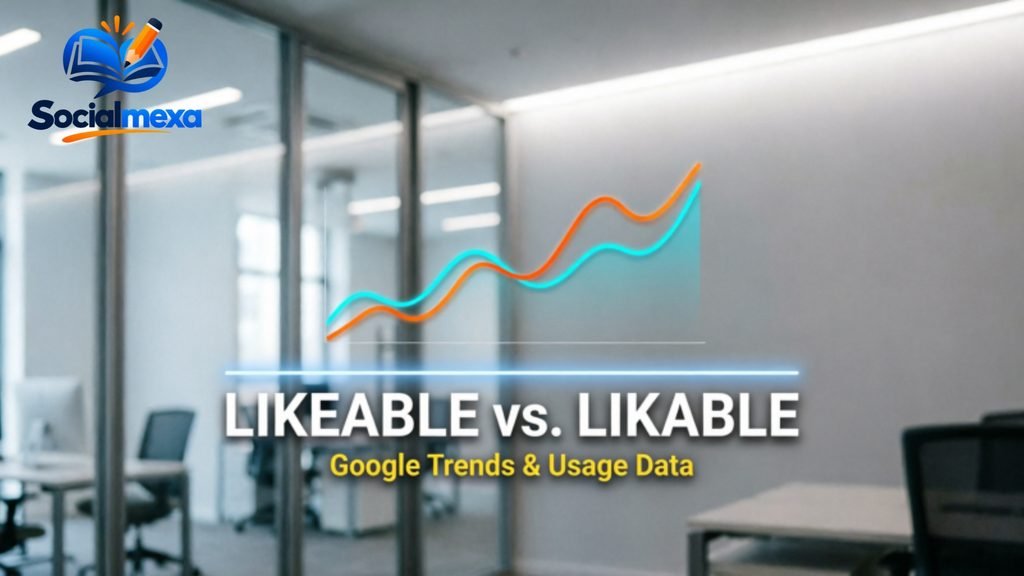
Search data consistently shows “likable” outperforming “likeable” in overall global search volume, largely because the United States has a much larger English speaking online population than the UK, Australia, and Canada combined. That said, “likeable” still holds steady search interest across the UK, Ireland, Australia, and New Zealand, where it remains the expected form in schools, newspapers, and official writing.
If you’re publishing content aimed at a broad international audience, testing both spellings in your headlines can reveal which version your specific readers respond to.
Likeable pronunciation
Both spellings are pronounced exactly the same way: LY-kuh-buhl. The missing E in the American version has zero effect on how the word sounds out loud. This is purely a written spelling difference, not a pronunciation one.
Comparison Table: Likeable or Likable
| Feature | Likeable | Likable |
| Region | British English | American English |
| Style Guides | Oxford, BBC, Guardian | AP, Merriam Webster, Chicago Manual |
| Pronunciation | LY-kuh-buhl | LY-kuh-buhl |
| Meaning | Pleasant, easy to like | Pleasant, easy to like |
| Common Users | UK, Australia, Canada, Commonwealth | United States |
Frequently Asked Questions about Likeable or Likable
What is a likable person?
A likable person is someone who is warm, genuine, and easy to get along with. Traits like honesty, humor, active listening, and consistency all contribute to how likable someone comes across to others.
Why does Likeable have an E?
The E comes from the original word “like,” and British spelling conventions kept it when adding the suffix “able.” American English later dropped it as part of broader nineteenth century spelling reforms led by Noah Webster.
Which is correct: “Likeable or Likable”?
Both are correct, following the exact same regional pattern as the base word. Likeability matches British spelling, while likability matches American spelling.
How to use likable in a sentence?
Place it after a linking verb or before a noun, just like any other adjective. Example: “She’s incredibly likable” or “He has a likable smile.”
Conclusion
At the end of the day, likeable and likable are the same word wearing two different outfits. One dresses British, the other dresses American, and both are perfectly acceptable depending on your audience.
Pick the spelling that matches your readers, stay consistent from the first line to the last, and you’ll never have to second guess this word again.

Emily Carter is an English language writer who creates simple guides on grammar, word meanings, spelling, slang, and everyday English. Her goal is to make confusing language topics clear, practical, and easy to understand.
5 thoughts on “Likeable or Likable? Discover the Correct Spelling Fast”