


Finding the right words after someone loses a loved one is hard. “My condolences” is polite, but it can sound stiff or rehearsed when the person is hurting. A warmer phrase often lands better and shows you truly care.
This guide gives you more than 60 alternatives, grouped by tone and situation. Each one comes with an example sentence you can use right away.
Quick Answer: What Is Another Way to Say “My Condolences”?
“My condolences” is a formal way of expressing sympathy to someone who is grieving. The best-known alternatives are “I am so sorry for your loss,” “my deepest sympathies,” “my heart goes out to you,” and “you are in my thoughts.” Pick a formal option for work and a warmer one for friends and family.
What Does “My Condolences” Really Mean?
Condolence comes from a Latin word meaning to suffer with someone. When you say “my condolences,” you tell a grieving person that you share their sadness and want to acknowledge their loss.
The phrase is correct and respectful. Its weakness is that it can feel distant. Synonyms let you adjust the warmth, the formality, and the personal touch.
| More Articles to Explore |
| 85+ Powerful Alternatives to “Due to” for Better Writing |
| Bareable or Bearable? The Simple Answer You Need |
| 130+ Best Ways to Say “Lastly” Clearly & Naturally |
How to Choose the Right Words
Ask yourself three quick questions before you write or speak:
- How close are you to the person who is grieving?
- Is the setting formal, such as work, or personal, such as family?
- Do they share your faith or beliefs?
Your answers will point to the right group below.
Heartfelt and Warm Ways to Say My Condolences

Use these for close friends, family, and people you care about deeply.
I Am So Sorry for Your Loss
The simplest and most trusted option. It works almost anywhere. Example: “I am so sorry for your loss, and I am thinking of you today.”
My Heart Goes Out to You
This shows you feel their pain. Example: “My heart goes out to you and your children.”
My Deepest Sympathies
Warm but still polite. Example: “My deepest sympathies to you and everyone who loved him.”
You Are in My Thoughts
Gentle and quiet, with no pressure to reply. Example: “You are in my thoughts every day this week.”
Sending You Love and Strength
Good for texts and cards. Example: “Sending you love and strength as you say goodbye.”
I Am Thinking of You and Your Family
This includes everyone who is hurting. Example: “I am thinking of you and your family during this heavy time.”
Words Cannot Express How Sorry I Am
Use it when the loss feels too big for ordinary words. Example: “Words cannot express how sorry I am about your father.”
I Am Heartbroken for You
Personal and emotional, best for close bonds. Example: “I am heartbroken for you, and I wish I could do more.”
Please Accept My Heartfelt Condolences
A warmer version of the original phrase. Example: “Please accept my heartfelt condolences on the passing of your aunt.”
I Am Here for You
Short and comforting. Example: “I am here for you, whatever you need.”
Wishing You Comfort and Peace
Kind and calm. Example: “Wishing you comfort and peace in the days ahead.”
Holding You Close in My Heart
Tender and affectionate. Example: “Holding you close in my heart as you grieve.”
Formal Ways to Say My Condolences

These suit workplaces, official notes, and people you do not know well.
Please Accept My Sincere Condolences
A polished classic. Example: “Please accept my sincere condolences on the loss of your mother.”
I Offer My Deepest Sympathy
Dignified and respectful. Example: “I offer my deepest sympathy to the entire family.”
With Heartfelt Sympathy
Often used to close a card. Example: “With heartfelt sympathy, we remember your husband’s service to our company.”
Our Thoughts Are with You at This Difficult Time
Safe for group messages. Example: “Our thoughts are with you at this difficult time.”
We Are Deeply Saddened by Your Loss
Good for organizations. Example: “We are deeply saddened by your loss and share in your grief.”
On Behalf of the Team, We Extend Our Condolences
Clear when you speak for a group. Example: “On behalf of the team, we extend our condolences to you and your family.”
Please Accept Our Deepest Sympathies
Formal and plural. Example: “Please accept our deepest sympathies for the loss of your brother.”
I Was Sorry to Hear of Your Loss
Calm and professional. Example: “I was sorry to hear of your loss and wanted to reach out.”
You Have Our Sincere Sympathy
Short and respectful. Example: “You have our sincere sympathy during this time of sorrow.”
Our Sympathies Are with You and Your Family
Works for neighbors and acquaintances. Example: “Our sympathies are with you and your family tonight.”
It Is with Great Sadness That I Learned of Your Loss
Suitable for letters. Example: “It is with great sadness that I learned of your loss.”
May You Find Comfort in the Days Ahead
Hopeful without being religious. Example: “May you find comfort in the days ahead as you remember her.”
Casual and Short Ways to Say My Condolences
These fit texts, chats, and quick messages to friends.
So Sorry for Your Loss
Natural and quick. Example: “So sorry for your loss, buddy.”
I Am Here If You Need Anything
Offers help without pressure. Example: “I am here if you need anything, even at midnight.”
Thinking of You
Light and kind. Example: “Thinking of you today and always.”
Sending Hugs
Warm and informal. Example: “Sending hugs to you and your mom.”
Big Hugs to You
Friendly and soft. Example: “Big hugs to you, I am so sorry.”
Lean on Me
Strong and loyal. Example: “Lean on me for as long as you need.”
I Am Just a Call Away
Practical and reassuring. Example: “I am just a call away, day or night.”
Here for You Always
Short and steady. Example: “Here for you always, no matter what.”
Praying for You
Simple for people who pray. Example: “Praying for you and your family this week.”
I Wish I Could Take Away Your Pain
Honest and human. Example: “I wish I could take away your pain, but I will stay by your side.”
Ways to Honor the Person Who Passed
Mentioning the person by name or memory often means more than general sympathy.
They Will Be Deeply Missed
Direct and kind. Example: “Your grandfather will be deeply missed by everyone on our street.”
What a Wonderful Person They Were
Celebrates their character. Example: “What a wonderful person she was, always smiling.”
Their Memory Will Live On
Offers lasting comfort. Example: “His memory will live on in every student he taught.”
They Touched So Many Lives
Good when the person was well loved. Example: “She touched so many lives, mine included.”
I Will Always Remember Their Kindness
Personal and specific. Example: “I will always remember his kindness to me on my first day.”
They Left the World Better
A thoughtful tribute. Example: “Your mother left the world better than she found it.”
A Life Well Lived
Fits a long, full life. Example: “He had a life well lived and a family that adored him.”
Gone but Never Forgotten
A classic memorial line. Example: “Gone but never forgotten, our friend lives in our stories.”
They Will Always Be in Our Hearts
Warm and shared. Example: “Dad will always be in our hearts.”
They Are at Peace Now
Gentle after illness. Example: “She is at peace now, and her pain is gone.”
Faith-Based Ways to Say My Condolences

Use these only when you know the person shares or welcomes your beliefs.
May They Rest in Peace
Common across many faiths. Example: “May he rest in peace, and may you find strength.”
God Bless You and Your Family
Kind and familiar. Example: “God bless you and your family at this time.”
May God Grant You Strength
Focuses on comfort for the living. Example: “May God grant you strength and patience.”
My Prayers Are with You
Respectful and sincere. Example: “My prayers are with you and your loved ones.”
May Their Soul Rest in Eternal Peace
Traditional and solemn. Example: “May her soul rest in eternal peace.”
May Light and Peace Surround You
Inclusive and gentle. Example: “May light and peace surround you in the days ahead.”
Ways to Offer Support Along with Sympathy
Action often speaks louder than words. These lines pair comfort with help.
Let Me Bring You a Meal
Specific offers beat vague ones. Example: “Let me bring you a meal on Thursday.”
I Am Here to Listen
Gives space to talk. Example: “I am here to listen whenever you feel like talking.”
Take All the Time You Need
Removes pressure. Example: “Take all the time you need, there is no rush.”
Please Let Me Know How I Can Help
Polite and open. Example: “Please let me know how I can help with the arrangements.”
I Can Help With Anything You Need
Shows readiness. Example: “I can help with school pickups this week.”
No Need to Reply
Lifts the burden of answering. Example: “No need to reply, I just wanted you to know I care.”
I Will Check In on You
Promises follow-up. Example: “I will check in on you next week.”
You Do Not Have to Go Through This Alone
Reassures during isolation. Example: “You do not have to go through this alone, we are here.”
Workplace Condolence Phrases
Keep these respectful and brief for coworkers and clients.
Please Take All the Time You Need
Supports time off. Example: “Please take all the time you need, your work will be covered.”
Our Team Is Thinking of You
Warm but professional. Example: “Our team is thinking of you and your family.”
We Are Here to Support You
Shows backing. Example: “We are here to support you when you return.”
Our Thoughts Are with You During This Time
Short and safe. Example: “Our thoughts are with you during this time.”
Quick Comparison Table
| Synonym | Meaning Nuance | Tone | Example Sentence |
| My deepest sympathies | Strong, respectful sorrow | Formal | Please receive my deepest sympathies for your loss. |
| My heart goes out to you | Personal feeling of pain | Warm | My heart goes out to you and your sisters. |
| Thinking of you | Gentle presence | Casual | Thinking of you as you rest this weekend. |
| Sincere condolences | Official, honest respect | Formal | We send our sincere condolences to the family. |
| I am here for you | Ongoing support | Warm | I am here for you if the house feels too quiet. |
| Gone but never forgotten | Honors memory | Tender | He is gone but never forgotten by his students. |
| Praying for you | Spiritual care | Faith-based | I am praying for you during these long nights. |
| Sending hugs | Physical comfort in words | Casual | Sending hugs your way today. |
Synonyms for Different Situations
Email: Use “Please accept my sincere condolences” or “I was sorry to hear of your loss.” Keep it short and clear in the subject line.
Resume or professional notes: Condolences rarely belong on a resume. For a leave of absence note, write “I am grateful for the support during a family bereavement.”
Essay or formal writing: “Extend condolences,” “express sympathy,” and “offer sympathies” read naturally.
Social media: Short lines work best, such as “Sending love,” “Thinking of you,” and “Rest easy.”
Storytelling and fiction: Let characters speak in their own voice. A gruff uncle might say “Sorry about your old man,” while a nurse might say “I am so sorry.”
2026 Trends in Condolence Writing
Condolence messages now travel across many channels. Here is what is changing:
- Text and voice notes: Many people send a short voice message instead of a written card. Your voice carries warmth that text cannot.
- Social media: “Rest in peace” is often shortened to “RIP.” It is fine for public posts but cold in a private message to the family.
- Group chats: Keep messages short and avoid jokes, even gentle ones.
- AI-written messages: Generic AI lines are easy to spot. Add a real memory or the person’s name to make your message personal.
- Workplace platforms: Team chat tools make it easy to send a quick line. Follow with a private note when you know the person well.
Common Mistakes When Choosing a Synonym
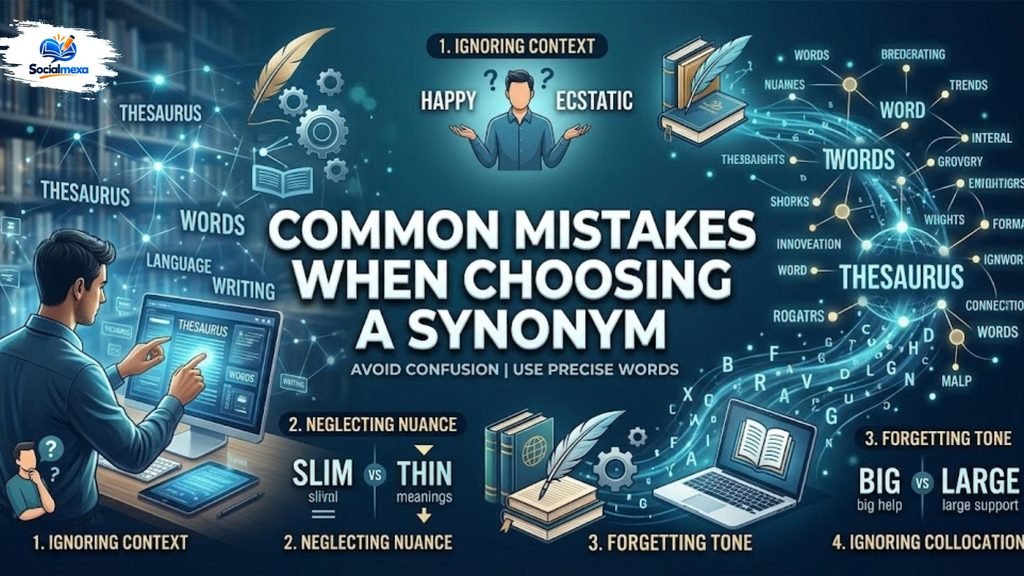
- Using “at least” phrases. “At least they lived a long life” can sound dismissive.
- Being too casual at work. “Sorry about your loss, man” does not fit a manager.
- Mixing faith with the wrong audience. Religious lines can hurt if the person does not share your beliefs.
- Making it about you. Avoid long stories about your own losses.
- Asking for details. Do not ask how the person died.
- Waiting too long. A short, late message is better than none.
Antonyms of My Condolences
Condolences express sorrow, so their opposites express joy. These are not appropriate for a loss, but they help show the contrast:
- Congratulations
- Best wishes
- Felicitations
- Good tidings
- Celebrations
Words like “indifference” and “disregard” also stand opposite the caring spirit of condolences.
When NOT to Replace “My Condolences”
Stick with the original in these cases:
- Formal legal or official letters. The standard phrase is expected.
- Notices on behalf of an organization. Plain wording avoids misunderstanding.
- Cross-cultural messages. Warm slang may confuse non-native speakers.
- Very brief replies. “My condolences” can be the right choice when you truly have no more space.
Avoid wrong-fit swaps such as “congratulations on your journey,” “better luck next time,” or “it happens.” They sound careless.
Related Words, Phrases, and Idioms
Related words: sympathy, grief, mourning, bereavement, consolation, solace, comfort, tribute.
Related phrases: pay respects, offer sympathy, share in your sorrow, express sorrow, send comfort.
Common idioms:
- Rest in peace
- Lean on someone
- Be there for someone
- A shoulder to cry on
- Heavy heart
- Lay to rest
FAQs About “My Condolences”
What Is a Better Way to Say “My Condolences”?
“I am so sorry for your loss” is the most natural choice. For closer relationships, try “my heart goes out to you.”
Is “My Condolences” Formal or Informal?
It is formal. Use it in workplaces and with people you do not know well. Choose warmer phrases for friends.
What Can I Say Instead of “Sorry for Your Loss”?
You can say “my deepest sympathies,” “I am thinking of you,” or “you are in my thoughts.”
What Should I Avoid Saying to Someone Who Is Grieving?
Avoid “they are in a better place,” “I know how you feel,” and “at least.” These can sound dismissive.
How Do I Write Condolences in an Email?
Begin with a short, sincere line, mention the person who passed, and offer help. Keep the message under five sentences.
Is It Okay to Say “RIP” in a Condolence Message?
It is fine on social media. For family members or formal notes, write the full phrase “rest in peace.”
Can I Send Condolences Late?
Yes. A late message still matters. Start with “I only just heard” and add a kind line.
Conclusion (My Condolences)
The best condolence message is honest, short, and specific. A phrase like “I am so sorry for your loss” works because it is sincere. Match the words to your relationship, avoid clichés that minimize pain, and add a memory or an offer of help when you can.
Keep this list handy for the next time you need it. If you feel stuck, start with “I am thinking of you” and let your kindness do the rest. Grieving people rarely remember the exact words, but they always remember who showed up.

Emily Carter is an English language writer who creates simple guides on grammar, word meanings, spelling, slang, and everyday English. Her goal is to make confusing language topics clear, practical, and easy to understand.