

You type a quick email, pause, and stare at one word. Is it verbage or verbiage? Your spell checker stays silent, and your confidence takes a small hit. Many people hit this exact wall. Good news: the answer takes ten seconds, and by the end you will never second guess it again.
Quick Answer
Verbiage is the correct spelling. Verbage is a common misspelling and is not accepted in standard English.
Verbiage means the words used to express something, often in a way that feels wordy, vague, or overly formal. Always spell it with an “i” after the “b”: verb-i-age.
Meaning and Definition of Each Word
Now that you know the winner, let’s look at both contenders.
1. Verbiage
Verbiage has two related meanings:
- Wording: the specific words used in a document, contract, or message.
- Excess words: language that says little but takes up a lot of space.
Think of a terms and conditions page. The wording on that page is its verbiage. If it runs ten paragraphs to say “don’t steal our stuff,” that is also verbiage.
| Keep Reading These Articles |
| Followup or Follow Up? Get It Right Every Time |
| 90+ Ways to Say “Okay” Naturally: Find the Best Ones |
| Analysing or Analyzing? Get the Spelling Right |
2. Verbage
Verbage has no official definition in major dictionaries. It is a spelling error that comes from how people say the word aloud. Some speakers skip the “i” sound, and the spelling follows the pronunciation. So when you write verbage, you are writing a word that does not exist in standard English.
Is Verbage a Word?
Short answer: no. Major dictionaries do not list it as a standard word. Some note it only as a nonstandard variant or a frequent error.
You will still see it online because writing habits spread fast. But “people use it” and “it is correct” are different things. Editors, teachers, and hiring managers will flag it, and you do not want your resume to carry that mark.
Where the Word Comes From
History explains the spelling. Verbiage entered English in the early 1700s from French. The French word grew out of an older term meaning “to chatter,” which in turn traces back to the Latin root for “word.”
See the pattern? Verb are words at its core. The word has always been about words, and often too many of them. That Latin and French family gives us “verbal,” “verbose,” and “proverb” too. None of them lose the full spelling, and neither should verbiage.
Key Differences Between the Words
Since only one is real, the differences are simple. Still, a side by side view helps the lesson stick.
| Feature | Verbiage | Verbage |
| Correct spelling | Yes | No |
| In standard dictionaries | Yes | No (nonstandard variant at best) |
| Meaning | Wording or excessive words | None |
| Pronunciation | VER-bee-ij | VER-bij |
| Safe for formal writing | Yes | No |
| Part of speech | Noun | Not applicable |
The pronunciation row matters most. The spelling error starts in the mouth, then moves to the keyboard.
Verbiage or Wording: Which Should You Use?
Here is a tip most guides skip. Verbiage is the right spelling, but it is not always the right word. Some readers hear a mild insult in it, since it can suggest padding.
Use wording when you want a neutral tone. Use verbiage when you mean the exact phrasing in a legal, business, or technical text, or when you want to hint that something is wordy.
Helpful alternatives include:
- Phrasing
- Language
- Text
- Terminology
- Diction
- Wordiness (for the negative sense)
- Padding (informal)
A manager might say, “Can we simplify the wording in this contract?” That sounds friendly. “Can we cut the verbiage?” sounds like a gentle eye roll at the lawyers.
Examples in Sentences
Seeing the word in action beats any definition.
Correct Usage of “Verbiage”
- The verbiage in the lease confused everyone, including the landlord.
- Please review the legal verbiage before you sign.
- Her speech was full of verbiage but short on facts.
- The app changed its button verbiage from “Submit” to “Send,” and clicks went up.
- We trimmed the verbiage from the report, and it dropped by two pages.
Incorrect Usage of “Verbage”
- ❌ The verbage in this contract is confusing.
- ❌ Cut the extra verbage from your essay.
- ❌ I love the verbage on this website.
Each of these should use “verbiage.” Swap it in, and every sentence works.
Common Mistakes
Even careful writers slip here. Watch for these three.
1. Spelling Mistake
The most common error is dropping the “i.” People write what they hear, and the “bee” sound in the middle gets lost in fast speech. Slow down and check the middle of the word.
2. Thinking Both Words Are Correct
Because verbage shows up in blog posts, comments, and even some company emails, it feels legitimate. It is not. Frequent use does not make a spelling correct, otherwise “definately” would be fine too.
3. Overusing “Verbiage”
This one surprises people. Some writers pick verbiage every time they mean “words.” That makes your writing sound stiff, and a bit ironic, since the word itself means wordiness.
Use it when it fits. Otherwise, reach for “wording,” “language,” or “text.”
Tips to Remember the Difference
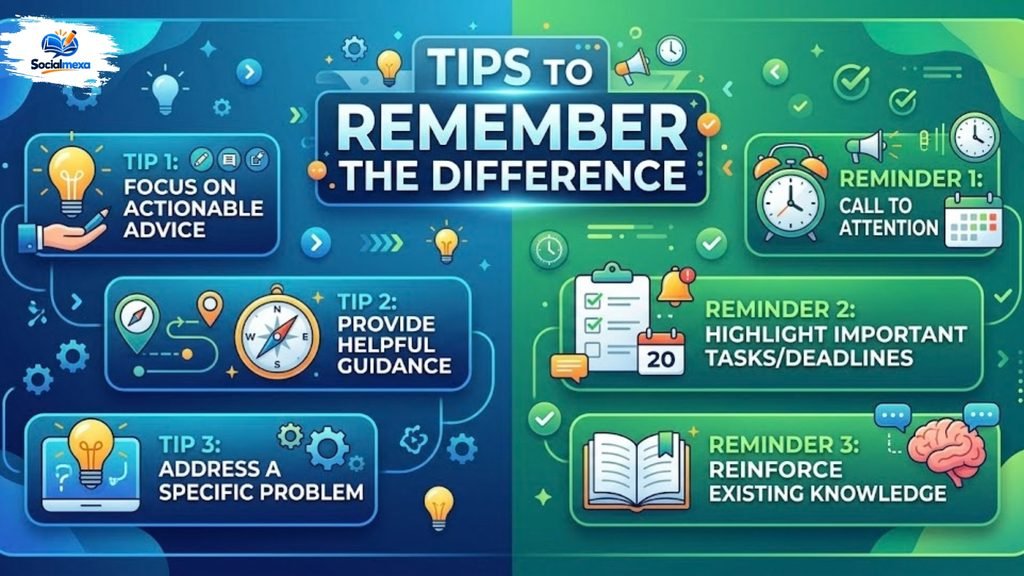
A memory trick beats a rule you have to look up. Pick the one that clicks.
1. Think of “i” in Verbiage
Picture the “i” as a tiny person standing in the middle of the word. Without it, the word falls apart.
2. Remember: “Verbage” is Garbage
Rhymes stick. Verbage is garbage, so toss it out and keep verbiage.
3. Use Spell Check
Spell check catches this error in most editors. A quick scan before you hit send saves you the embarrassment.
4. Associate with “Verbose”
Verbose and verbiage share the same root and the same spirit. Both deal with too many words. Verbose has “bos” and verbiage has “bi,” so remember that both keep their full set of letters.
Verbage or Verbiage Pronunciation
Say it out loud: VER-bee-ij. That is three syllables.
Now say the incorrect version: VER-bij. That is two. The missing middle syllable is the whole story. If you hear a “bee” in the middle, you must write an “i” in the middle.
Some native speakers do clip the word in casual speech, which is why the error is so common. In formal settings, such as presentations or interviews, aim for all three syllables.
Grammar Rules and When to Use Each Word
Grammar is the last piece of the puzzle, and it is quick.
1. It Is a Noun
Verbiage names a thing, namely language. You will not use it as a verb or an adjective.
2. Uncountable Noun
You cannot say “a verbiage” or “three verbiages” in standard writing. Say “some verbiage,” “less verbiage,” or “too much verbiage” instead.
3. Used in Formal Contexts
Verbiage fits legal documents, business writing, product copy, and editing notes. In casual texts, “words” or “wording” usually sounds more natural.
Which One Should You Use?
Use verbiage every time. There is no situation in standard English where “verbage” is the better choice. The only time you should write verbage is when you quote someone else’s mistake, and even then, add “[sic]” so readers know it was intentional.
Frequently Asked Questions (FAQs)
What does proper verbiage mean?
Proper verbiage means using the right, clear, and appropriate wording for a situation. For example, a contract needs precise legal phrasing, while a casual email needs friendly and simple language.
What does verbiage mean?
Verbiage means the words used to express an idea, or an excess of words that adds little meaning. Context tells you which sense the writer intends.
Is “verbiage” pronounced as “verbiage” or “verbage”?
It is pronounced VER-bee-ij, with three syllables. The two syllable version, “verbage,” is a common mispronunciation that also leads to the spelling error.
How to use the word “verbiage”?
Use it as an uncountable noun when you talk about wording. Examples: “Let’s fix the verbiage on the checkout page” or “The memo had too much verbiage.”
Conclusion
The verbage or verbiage debate has a clear winner. Verbiage is the correct spelling, and verbage is a mistake born from fast speech. Keep the “i,” say all three syllables, and use the word when it truly fits.
Next time that tiny doubt appears, remember the rhyme: verbage is garbage. Your writing, and your readers, will thank you.

Emily Carter is an English language writer who creates simple guides on grammar, word meanings, spelling, slang, and everyday English. Her goal is to make confusing language topics clear, practical, and easy to understand.
5 thoughts on “Verbage or Verbiage? Get the Spelling Right? Get the Spelling Right”